Costa Rica’s Blue Zone Explained: What the Nicoya Longevity Story Means for Living in Guanacaste
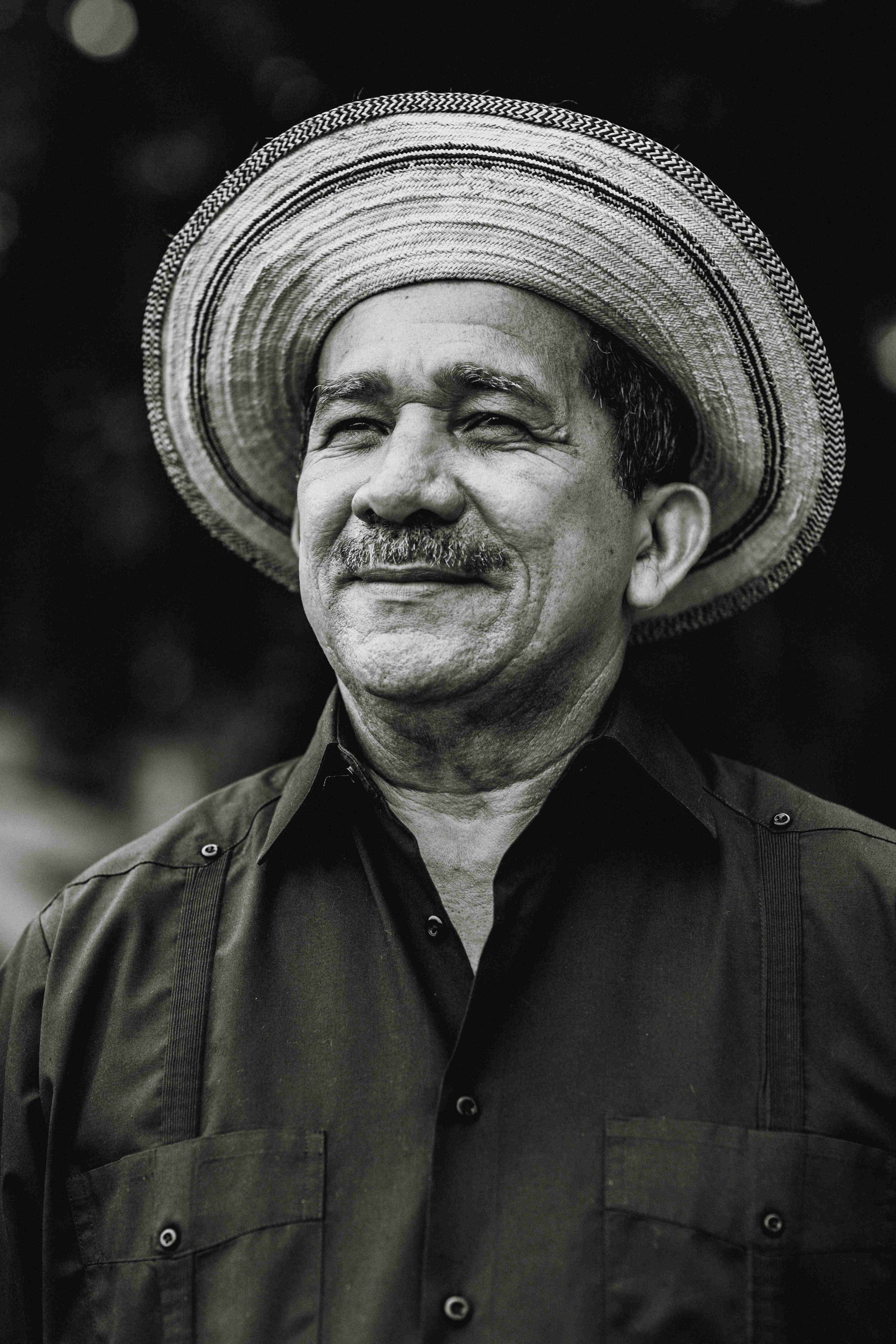
For many people considering life on Costa Rica’s North Pacific coast, the Blue Zone is one of the first ideas that catches their attention. It suggests longevity, vitality and a healthier pace of life. But the most interesting part of the Nicoya Blue Zone is not the label itself. It is the body of research behind it, and what that research reveals about food, movement, social connection, purpose and environment over time. For anyone exploring Costa Rica relocation, living in Guanacaste, or the broader Costa Rica lifestyle, that makes the Blue Zone far more than a wellness buzzword.¹²
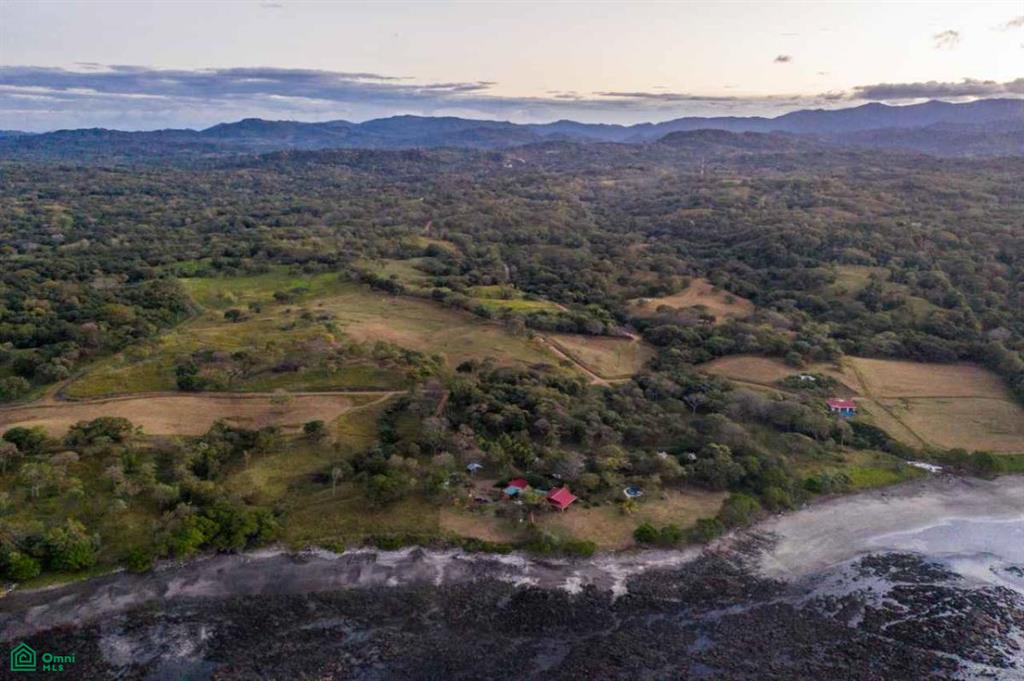
Costa Rica’s Blue Zone refers to the Nicoya Peninsula in the country’s northwest. Costa Rica’s tourism board identifies the Blue Zone across the cantons of Nicoya, Santa Cruz, Carrillo, Nandayure, and Hojancha, placing Guanacaste within one of the world’s best-known longevity regions. That geographic identity is important, especially for buyers researching the Nicoya Peninsula Blue Zone or trying to understand why this part of Costa Rica has drawn so much global attention. At the same time, the deeper story is more nuanced than many travel articles, wellness summaries and real estate blog posts suggest.¹
The Research Behind the Blue Zone Costa Rica Story
The Nicoya Peninsula did not become famous because of marketing. It became famous because researchers found unusual patterns in longevity. In a widely cited 2013 study, demographer Luis Rosero-Bixby and his coauthors followed 16,300 elderly Costa Ricans and concluded that Nicoya was a genuine hotspot of high longevity.
Among the most striking findings, Nicoyan men had a death rate ratio of 0.80 compared with elderly men in the rest of Costa Rica. The same study reported that a 60-year-old Nicoyan male had a probability of reaching age 100 that was seven times that of a Japanese male, along with life expectancy 2.2 years greater. The authors also found that this advantage appeared independent of socioeconomic conditions, disappeared in out-migrants, and was linked to lower cardiovascular mortality.³
Other research helped explain why Nicoya stood out biologically as well as demographically. A population-based telomere study found that people in Nicoya had mean leukocyte telomere length 81 base pairs longer than people in other areas of Costa Rica, even after adjustment for age, sex, rurality, and a wide range of biological, dietary, and social factors. That does not prove one single cause of healthy aging, but it does suggest the Nicoya pattern was measurable in the body itself, not simply a cultural impression layered onto the region later.⁴
Stanford Medicine later summarized related work in plainer terms: Nicoyan people around age 60 and older were about 29% less likely to die at that age than people in the rest of Costa Rica, and the benefit appeared especially strong among men. That is one reason the Nicoya Blue Zone continues to matter in conversations around longevity, even as newer research has become more cautious about how the concept is used.²
Why People in Nicoya Live Longer
One of the strengths of the Costa Rica Blue Zone story is that it resists simplistic explanations. Researchers and Blue Zones reporting alike point to a combination of factors rather than a single “secret.” These include a strong sense of purpose, often described as plan de vida; close family and social ties; natural daily movement; and a traditional way of eating centered on simple, minimally processed foods.⁵
Diet is central to that picture. Blue Zones has long highlighted Nicoya’s reliance on the “three sisters” of Mesoamerican agriculture: beans, corn, and squash. Rosero-Bixby’s 2013 work described the Nicoya diet as abundant in traditional foods like rice, beans, and animal protein, with a low glycemic index and high fiber content. More recent evidence strengthens that pattern. A 2024 study from the Costa Rican Longevity and Healthy Aging Study found that participants in the highest quintile of a traditional rural dietary pattern had 18% lower all-cause mortality over a 15-year follow-up than those in the lowest quintile. Bean intake itself was associated with lower all-cause mortality.³⁶
Water has also been studied as a possible contributor. Blue Zones reports that Nicoyan water has the country’s highest calcium content, which may help explain stronger bones and fewer hip fractures. A Costa Rican study examining drinking-water hardness and longevity rates across Guanacaste found a positive correlation between harder water and higher longevity rates among adults over 80, concluding that long-term consumption of mineralized water appeared to be a protective factor for longevity and quality of life. This should be treated as one contributing factor, not a standalone answer, but it adds an environmental layer that makes the Nicoya story especially interesting.⁵⁷
The same applies to movement and social structure. Stanford’s reporting is valuable here because it strips the subject of cliché. The article describes lives defined less by formal workouts and more by constant natural motion: walking, working outdoors, cooking, visiting neighbors and family and remaining physically engaged well into older age. It also emphasizes social cohesion and intergenerational connection. In other words, the Nicoya Peninsula Blue Zone was not built on elite wellness routines. It was built on a way of life in which healthy behaviors were embedded into the day almost automatically.²
What Newer Research Says Now
One of the most important findings in the newer literature is that Nicoya’s longevity advantage is not fixed forever. In a 2023 paper, Rosero-Bixby found that the advantage is disappearing and appears to be driven largely by cohort effects. Nicoyan males born in 1905 had 33% lower adult mortality than other Costa Ricans, but those born in 1945 had 10% higher rates. The study also found that the original geographic hotspot of low elderly mortality had shrunk to a smaller area south of the peninsula, around the corridor from Hojancha inland to the beach town of Sámara. Rosero-Bixby’s conclusion is blunt: hotspots of extreme longevity are probably transient and should be reassessed continuously.⁸
That does not weaken the Blue Zone Costa Rica story. It improves it.
It tells us that longevity in Nicoya was never magic. It was tied to a combination of routines, diet, physical activity, social structure, and local environment. As those conditions change, the advantage changes too. Stanford’s coverage reaches the same conclusion from another angle, noting that as Westernized diets and more sedentary living become more common, the original Nicoya effect appears to be slipping. For a reader interested in healthy living in Costa Rica, that is far more useful than any over-polished promise.²⁸
What This Means for Living in Guanacaste Today
Living in Playa Flamingo, Potrero, Brasilito, Las Catalinas, Reserva Conchal, or another North Pacific community does not mean someone is automatically stepping into the exact demographic conditions that produced the original Nicoya data. Stanford’s reporting makes that clear: people who move to Nicoya around retirement age do not simply inherit the full Blue Zone effect, just as Nicoyans who leave the region do not retain all of it. The original research also found that the longevity advantage disappeared in out-migrants, which is an important reminder that the Blue Zone was never just about geography. It was about the interaction between geography and daily life.²³
But that does not make the Blue Zone irrelevant to Guanacaste. It makes the lesson more practical.
What the Nicoya Peninsula offers is a credible model for evaluating lifestyle environment. Does a place make it easier to move naturally, eat more simply, spend more time outdoors, stay socially connected and reduce chronic daily friction? That is a much stronger question than whether a postal code can guarantee longevity. And it is exactly why the Costa Rica Blue Zone remains relevant for people thinking seriously about Costa Rica relocation, wellness, and quality of life.¹²
That is also where living in Guanacaste becomes especially compelling. The region may not replicate the exact rural Nicoya conditions of earlier generations, but it can still bring people closer to many of the same ingredients: sunlight, outdoor living, a less rushed pace, easier access to nature, stronger community rhythms, and more opportunities for whole-food eating and natural movement. In the context of real estate, that matters. Buyers are not only choosing a home. They are choosing the routines that home makes easier to live.¹²
Why the Blue Zone Belongs in a Real Estate Conversation
The more credible point is that the Nicoya Blue Zone gives scientific context to something many buyers already feel intuitively when they spend time in Guanacaste: life can be structured differently here
- Less time commuting.
- More time outside.
- More daylight.
- More walking.
In Nicoya, researchers have spent years studying the long-term effects of those kinds of conditions. That gives the lifestyle conversation real weight.³⁶⁸
The Nicoya research supports a thoughtful argument about environment, habits, food, and social life. It does not support exaggerated health promises.¹²³⁸ The strongest way to understand Costa Rica’s Blue Zone, then, is not as a slogan. It is as evidence. Evidence that daily habits matter. Evidence that food and movement matter. Evidence that community matters. And evidence that life in Guanacaste can place people closer to many of the same conditions that made the Nicoya story so compelling in the first place. For buyers drawn to Costa Rica’s North Pacific coast, that is where the Blue Zone becomes meaningful in a modern, grounded, and persuasive way.¹²⁶⁸
If you are exploring life on Costa Rica’s North Pacific coast, understanding the lifestyle behind the region matters just as much as understanding the real estate. From Playa Flamingo and Potrero to Brasilito, Las Catalinas, and Reserva Conchal, our team can help you find a property that aligns with the way you want to live. Contact Coldwell Banker Flamingo to explore homes and opportunities across Guanacaste.
Endnotes / Works Cited
¹ Instituto Costarricense de Turismo. (n.d.). Blue Zones. Visit Costa Rica.
² Armitage, H. (2023, January 23). Unlocking the secret to longevity in Nicoya region Costa Rica. Stanford Medicine.
³ Rosero-Bixby, L., Dow, W. H., & Rehkopf, D. H. (2013). The Nicoya region of Costa Rica: A high longevity island for elderly males. Vienna Yearbook of Population Research, 11, 109–136.
⁴ Rehkopf, D. H., Dow, W. H., Rosero-Bixby, L., Lin, J., Epel, E. S., & Blackburn, E. H. (2013). Longer leukocyte telomere length in Costa Rica’s Nicoya Peninsula: A population-based study. Experimental Gerontology, 48(11), 1266–1273.
⁵ Blue Zones. (n.d.). Nicoya, Costa Rica.
⁶ Zhang, Y., Cortés-Ortiz, M. V., Baylin, A., Leung, C. W., Rosero-Bixby, L., & Ruiz-Narváez, E. A. (2024). Traditional rural dietary pattern and all-cause mortality in a prospective cohort study of elderly Costa Ricans: The Costa Rican Longevity and Healthy Aging Study (CRELES). The American Journal of Clinical Nutrition, 120(3), 656–663.
⁷ Mora-Alvarado, D. A., Portuguez-Barquero, C. F., Alfaro-Herrera, N., & Hernandez-Miraulth, M. (2015). Diferencias de dureza del agua y las tasas de longevidad en la Península de Nicoya y los otros distritos de Guanacaste. Tecnología en Marcha, 28(3), 3–14.
⁸ Rosero-Bixby, L. (2023). The vanishing advantage of longevity in Nicoya, Costa Rica: A cohort shift. Demographic Research, 49, 723–736.